
Foam Rolling vs. Professional Myofascial Massage: What’s the Difference?
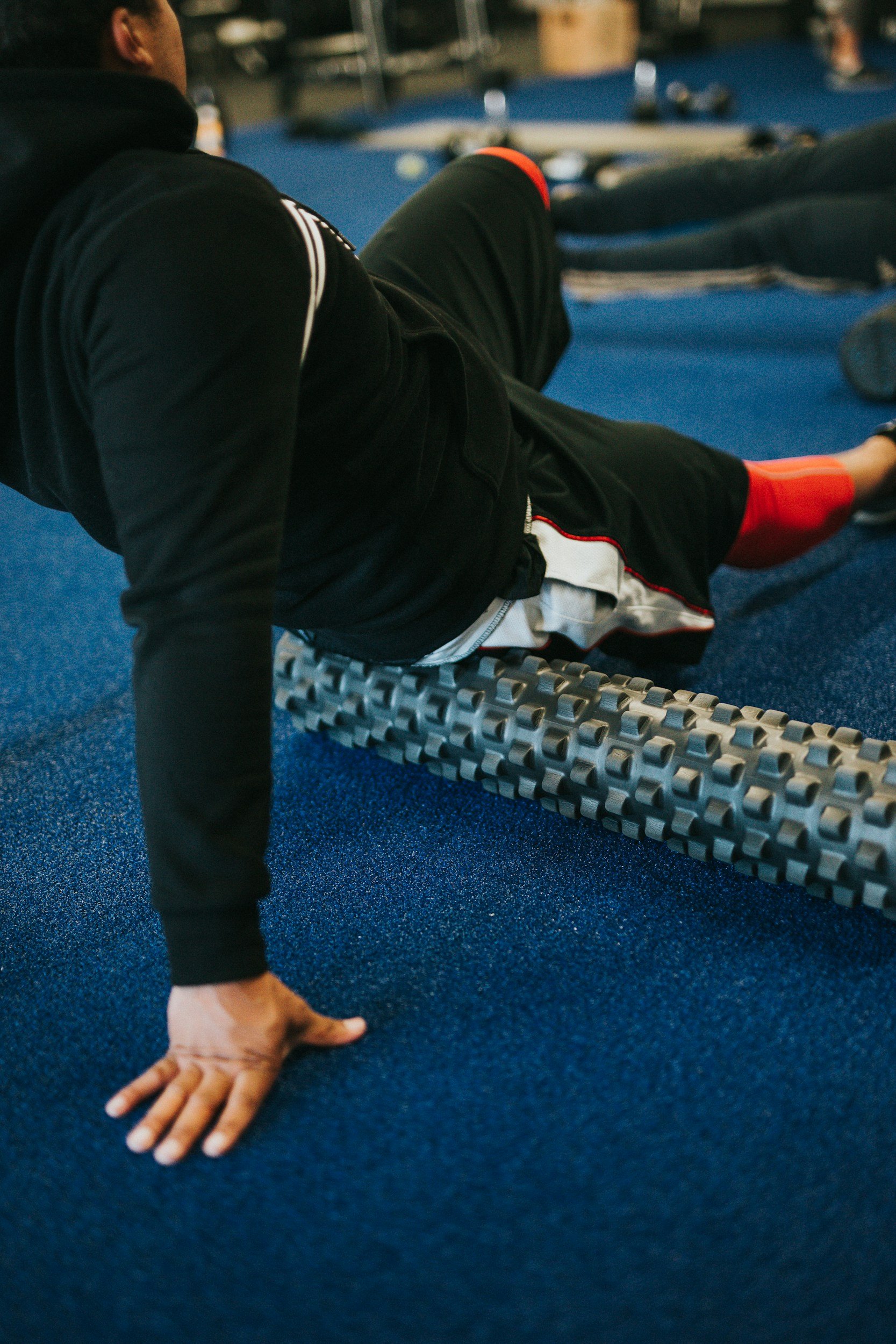
If you’ve ever experienced muscle tightness, soreness or that "knotted" feeling in your body, you’ve probably heard about two popular options for relief: foam rolling and myofascial massage. Both target the fascia, the connective tissue that surrounds muscles, but they do so in different ways. Here’s a breakdown to help you understand the benefits of each and when to choose one over the other.
What is Fascia?
Fascia is a web-like layer of connective tissue that surrounds and supports your muscles, bones and joints. When it becomes tight or restricted, you might feel stiffness, reduced flexibility, or discomfort. Both foam rolling and professional myofascial massage aim to restore mobility and reduce tension in this tissue.
Foam Rolling: Self-Myofascial Release
Foam rolling is a self-care technique where you use a cylindrical foam roller or ball to apply pressure to sore or tight areas.
Benefits of foam rolling:
Improves circulation and warms up muscles before activity
Helps reduce post-workout soreness
Increases flexibility and range of motion
Cost-effective and convenient, you can do it at home or at the gym
Limitations:
Pressure is limited to you body weight
Hard-to-reach areas (like the upper back or hips) can be difficult to target effectively.
Its easy to roll too quickly or skip over problem spots without truly releasing tension.
Professional Myofascial Massage
Myofascial massage, performed by a licensed massage therapist, used sustained, gentle pressure to release restrictions in the fascia. Unlike foam rolling, which is often broad, myofascial massage is more precise and tailored to your body’s unique needs.
Benefits of myofascial massage:
Customized to your body: therapists can identify specific restrictions.
Provides deeper, more sustained pressure than foam rolling.
Can address chronic tension patterns, postural imbalances, or areas you can’t reach yourself.
Offers the added benefit of relaxation and nervous system regulation.
Limitations:
Requires scheduling an appointment.
Higher cost compared to self-care tools.
Which One Should You Choose?
For everyday maintenance: Foam rolling is great for warming up, cooling down and keeping muscles healthy between workouts or massage sessions.
For deeper, lasting results: Professional myofascial massage offers a level of precision and effectiveness that self-rolling can’t fully match, especially if you’re dealing with chronic tension or injury recovery.
The Best Approach: Combine Both
Think of foam rolling as your daily self-care tool and professional myofascial massage as your periodic tune-up. Together, they support muscle health, improve mobility and keep your body moving with ease.
Tip: Foam rolling works best when used regularly, while scheduling professional myofascial massage every few weeks or monthly can help maintain long-term results.
