
Part Two: A 10-Minute Deep Core Routine to Support Your Body Between Massages
In Part One of this series, we discussed how deep core support helps massage therapy results last longer and reduces recurring tension. In Part Two, Kai McCoy, Licensed Personal Trainer, will provide a simple 10-minute routine you can do at home to activate your deep core, improve posture, and reinforce the benefits of your massage sessions.
These exercises are designed to be gentle, supportive and mindful, focusing on stability and breath rather than intensity. They are appropriate for all levels and can be done 2-4 times per week.
Preparation
Find a quiet, comfortable space where you can lie down and move freely.
Use a yoga mat, folded towel, or soft carpet.
Wear comfortable clothing.
Focus on slow, controlled movements and diaphragmatic breathing throughout the routine.
10-Minute Deep Core Routine
#1 Supine Diaphragmatic Breathing - 2 minutes
Lie on your back with knees bent and feet flat.
Place one hand on your belly and one on your chest.
Inhale slowly through your nose, feeling your belly rise under your hand.
Exhale gently through your mouth, letting the belly fall.
Keep your chest relatively still, focusing on abdominal expansion.
#2 Pelvic Tilts/Pelvic Clocks - 2 minutes
Lie on your back with knees bent.
Gently tilt your pelvis forward and backward, pressing your lower back into the floor and then releasing.
Optionally imagine drawing a small circle with your pelvis (“pelvic clock”) moving clockwise and then counterclockwise.
Keep the movement small and controlled, focusing on core engagement rather than range.
#3 Heel Slides - 2 minutes
Lie on your back with knees bent.
Keeping your lower back pressed against the floor, slowly slide on heel along the floor until your leg is nearly straight, or as far as you can go without arching your back.
Return to start and switch legs.
Focus on keeping your deep core engaged and pelvis neutral.
#4 Dead Bugs (Controlled Variation) - 2 minutes
Lie on your back with knees bent at a 90 degree angle, hips over knees, arms reaching toward the ceiling.
Keeping your lower back flush to the floor, slowly lower one leg and the opposite arm toward the floor, keeping your back stable.
Return to center and switch sides.
Move slowly, using your breath to guide engagement.
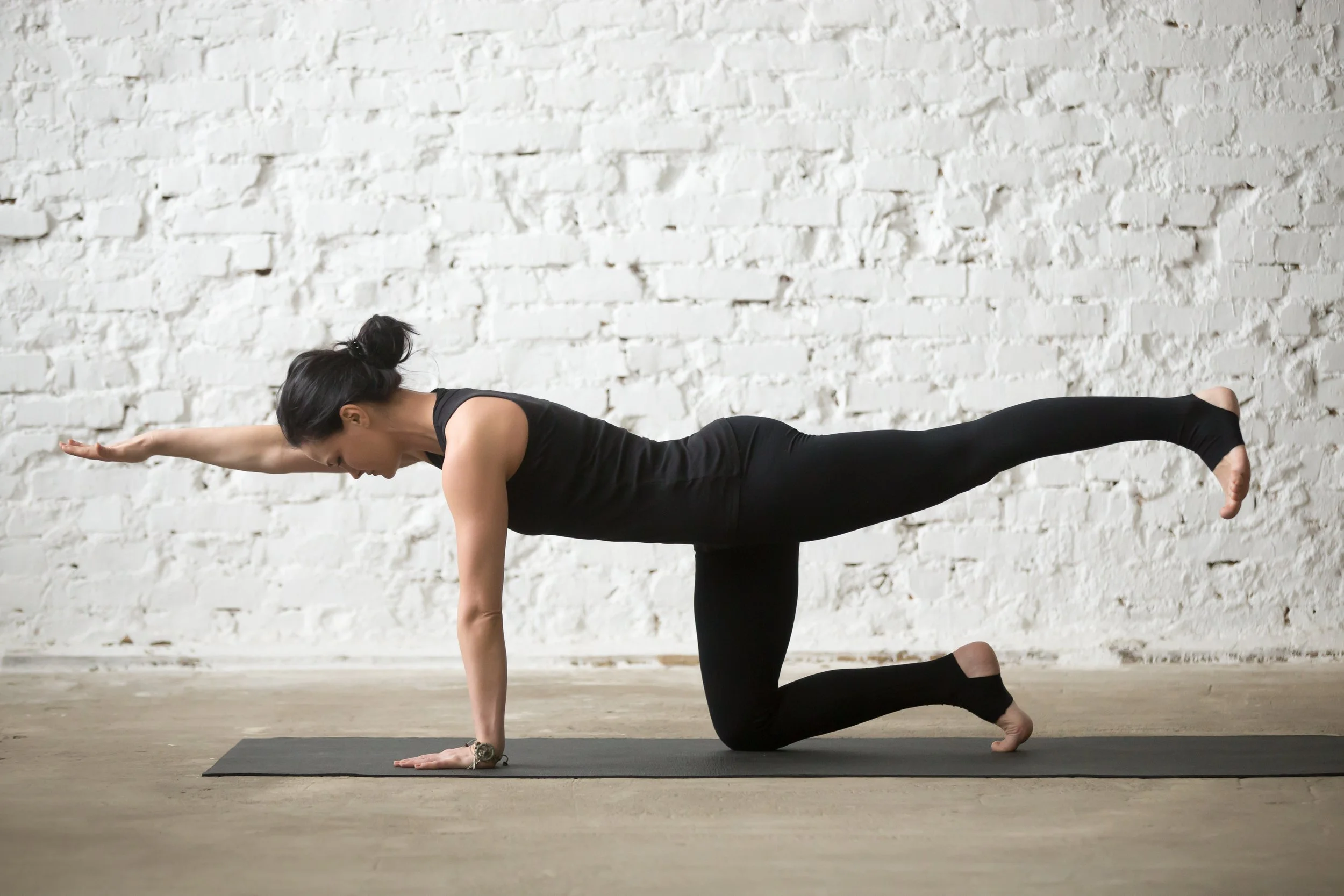
#5 Quadruped or Side-Lying Core Activation - 2 minutes
Option A: Quadruped (on hands and knees)
Align hands under shoulders, knees under hips.
Engage your core, drawing belly toward the spine.
Optionally, lift one arm or leg at a time for a gentle challenge.
Option B: Side-Lying Core Activation
Lie on your side with knees bent.
Engage your deep core and gently lift the top knee or leg slightly, keeping the pelvis stable.
Breathe evenly and repeat on the other side.
Tips for Best Results
Focus on quality over quantity: slow, controlled movements are more effective than fast repetitions.
Coordinate breath with movement: inhale to prepare, exhale to activate the core.
Stop if you feel strain in your neck, back and hips.
Consistency is key: even a short routine done regularly reinforced massage benefits.
Why This Helps Between Massage
This routine strengthens the foundation your body relies on for posture and stability. When you deep core is active, massage therapy results last longer because:
Your muscles are better supported and less likely to tighten again.
You maintain improved alignment and movement patterns.
Tension in the neck, shoulders, hips and low back is less likely to recur.
In Part 3 of this series, we will explore how deep core support can prevent common chronic pain patterns and help you stay aligned, supported and pain-free long-term.
Disclaimer/Safety Note:
This routine is designed for general wellness and support. Please consult your doctor or healthcare provider before starting any new exercise program, especially if you have existing medical conditions, injuries or are pregnant. Stop any exercise that causes pain, dizziness or discomfort.
