
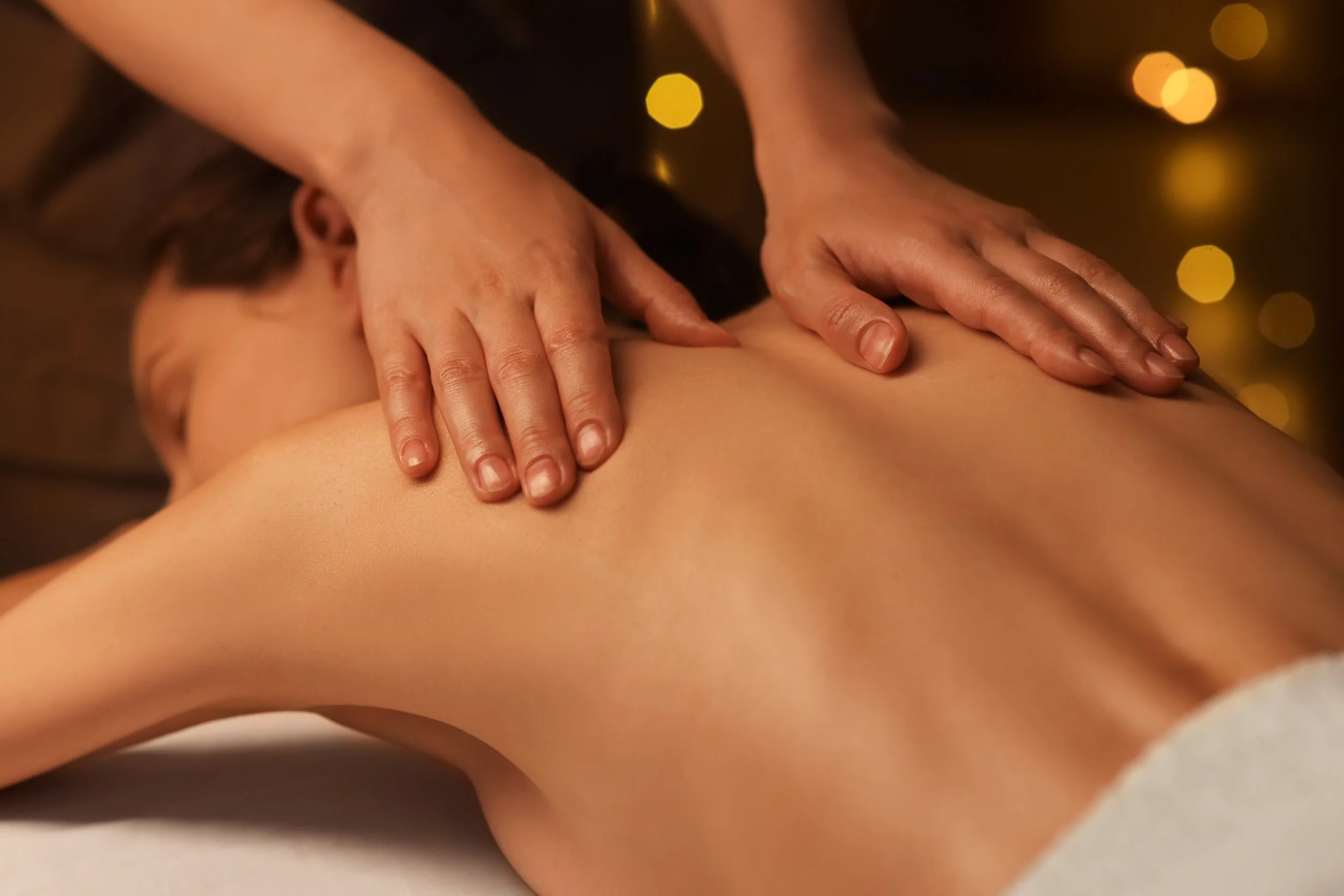
At The Pinnacle Therapeutics Massage, we have a deep love for the human body and a strong belief that massage is way more than just a luxury you book on vacation. If you’ve ever wondered what's actually happening in your body during a massage, this one’s for you.
First Things First: Your Body Is Not Just Muscles
Most people think massage = rubbing sore, achy muscles. But muscles are only part of the story. Underneath your skin lives a vast web-like system called fascia, and honestly? Fascia deserves its own fan club.
What Is Fascia?
Fascia is a thin, but mighty connective tissue that wraps around everything: your muscles, organs, nerves and bones. Think of it like a full-body bodysuit or the peel of an orange holding all the juicy parts together.
When fascia is healthy, it is:
Smooth
Hydrated
Flexible
When fascia isn’t so healthy, it is:
Tight
Sticky
Dehydrated
Restrictive
Stress, repetitive movement, poor posture, injuries and even emotional tension can cause the fascia to stiffen up. When that happens, as I'm sure you might be familiar, you feel tightness, aches, and limited movement.
Massage helps restore glide and hydration to the fascia so your body can move the way its meant to! It’s like adding oil to that creaky door hinge that’s been bugging you for months. If you’d like to learn more in depth about the fascia system including the signs that your fascia needs help, you can read our blog What Fascia Has To Do With Old Injuries That Still Hurt.
Blood Flow: The Glow-Up You Didn’t Know You Needed
One of the most immediate effects of massage is improved circulation.
When pressure is applied to the tissues, it encourages blood to move through areas that may be stagnant or undernourished. Blood brings all the food to the table:
Oxygen
Nutrients
Healing compounds
It also works like a garbage truck to carry away metabolic waste (aka, the byproducts that build up when muscles work hard).
This is why people often feel:
Warm
Relaxed
Light
Slightly sore but refreshed
After a massage. Your tissues are literally being filtered to bring in the good stuff, and flush out the bad stuff.
Bonus: better circulation can also support skin health, recovery from workouts and that subtle post-massage glow!
Let's Talk About Tension (Because We’re All Holding Some)
Tension isn’t just physical, its neurological.
When you’re stressed, your nervous system shifts into fight-or-flight mode. Muscles tighten, breathing becomes shallow, your body stays on high alert.
Massage helps flip the switch.
How Massage Affects the Nervous System
Through slow, intentional touch, massage stimulates the parasympathetic nervous system, also known as rest and digest.
This can lead to:
Lower heart rate
Deeper breathing
Reduced muscle guarding
A feeling of safety and calm
This is why sometimes emotions come up during or after a massage. The body finally feels safe enough to let go.
Why Pressure Isn’t Everything
More pressure does not always equal better results. Tissues respond best when they feel safe, not attacked.
Slow, mindful work allows:
Fascia to soften
Muscles to release
The nervous system to relax
Painful pressure can actually cause the body to brace, which does the opposite of what we want.
A good massage is a conversation with your body, not a wrestling match. Be sure to communicate with your therapist if anything feels uncomfortable!
So… What Is Massage Really Doing?
At its core, massage:
Improves tissue hydration and mobility
Supports healthy circulation
Encourages nervous system regulation
Helps the body release stored tension
It’s not about “fixing” you. Your body already knows how to heal.
Massage just creates the right environment for that healing to happen.
Final Thoughts
Massage is a science-backed, body-honoring, and deeply human. Whether you’re using it for stress relief, athletic recovery, or just because life is a lot sometimes, it's one of the most accessible ways to support your overall wellness.
Your body is always communicating with you.
Massage helps you finally listen.
If you’re new to massage, welcome! You're about to feel so much better.
Let one of our master massage therapist help you find the relief you’re looking for. Book HERE to find a time and day that works for you!
