
Is Massage Safe During Pregnancy? What Expecting Mothers Should Know
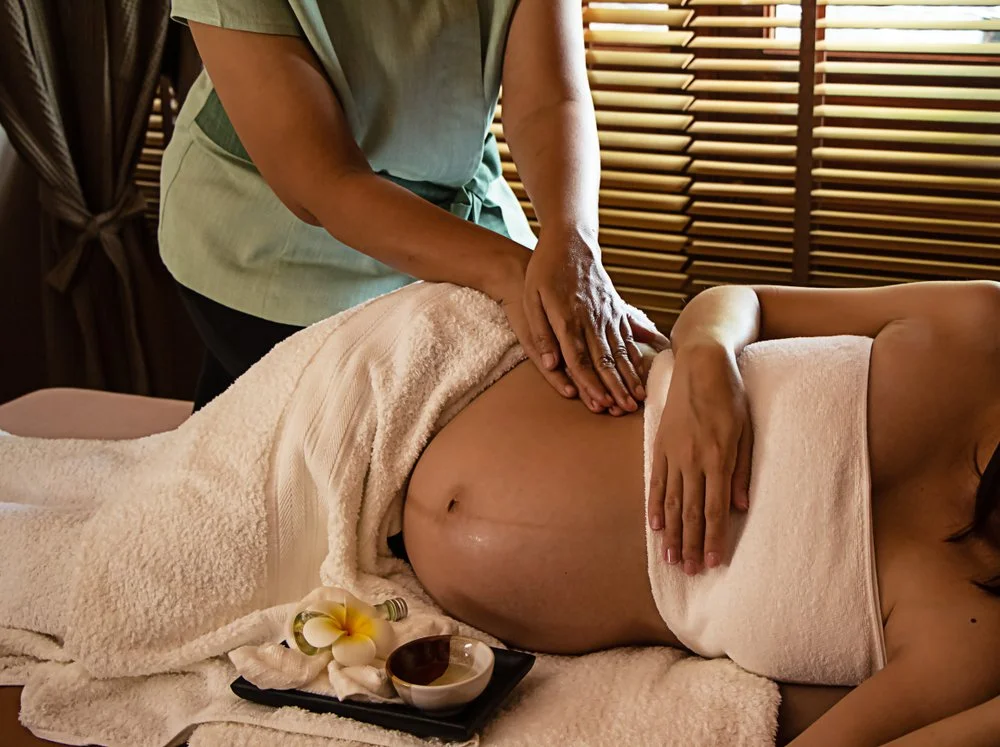
Pregnancy brings incredible changes to the body: physically, emotionally and structurally. As your baby grows, your posture shifts, hormones fluctuate, and new areas of tension can appear. Its no surprise many expecting mothers start wondering whether massage is safe, or if it’s something they should avoid altogether.
The good news: prenatal massage can be a safe and supportive form of care during pregnancy when performed by a trained professional and adapted specifically for pregnancy.
Let’s walk through what expecting mothers should know so you can feel informed, confident and supported.
Is Massage Safe During Pregnancy?
For most healthy pregnancies, massage is considered safe when:
It is performed by a therapist trained in prenatal techniques
Appropriate positioning and support are used
Pressure and techniques are modified for pregnancy
Prenatal massage is not about “pushing through” tension. It’s about supporting circulation, easing muscular strain and helping the nervous system settle during a time of constant growth and change.
If you ever have questions or specific concerns, it’s always appropriate to consult with your healthcare provider before scheduling a massage.
How Prenatal Massage Differs From Regular Massage
Prenatal massage is intentionally different from a standard massage session.These adaptations are made to prioritize comfort and safety.
During a prenatal massage:
Side-lying positioning is commonly used to support the belly and reduce pressure.
Extra bolsters and pillows help maintain spinal alignment
Pressure is adjusted to be gentle yet effective
If you’re curious about how massage works more broadly, including fascia, circulation and tension patterns, our How Massage Works: Beginner’s Guide to Fascia, Blood Flow, and Tension offers a helpful foundation that applies beautifully to prenatal care as well.
Why Pregnancy Creates New Areas of Tension
Pregnancy hormones, especially relaxin, allows ligaments and connective tissue to become more elastic so the body can accommodate a growing baby. While this is essential, it can also lead to:
Postural changes
Muscle fatigue
Joint strain
Areas of deep, unfamiliar tightness
These changes often show up as discomfort in the low back, hips, neck, shoulders and ribs. Massage worked with the body’s connective tissue system, including fascia, to support adaptability and ease.
You can learn more about the role fascia plays in overall comfort in our blog What Fascia Has to Do with Old Injuries That Still Hurt, which also applies to pregnancy-related tension patterns.
How Prenatal Massage Supports the Nervous System
Pregnancy doesn’t just change the body, it changes the nervous system, too. Many expecting mothers feel more sensitive, overwhelmed, or fatigued as their body works overtime.
Massage encourages the nervous system to shift out of constant “alert mode” and into a more restorative state. This can support:
Deeper relaxation
Improved body awareness
Better sleep quality
A stronger sense of connection to the body
If mental clarity and emotional grounding are something you’re craving during pregnancy, you may also enjoy reading Massage for Mental Clarity: Releasing Tension, Inviting Focus.
Common Pregnancy Discomforts Massage Can Support
While massage does not diagnose or treat medical conditions, prenatal massage is commonly used to support comfort related to:
Low back tension
Hip and pelvic discomfort
Neck and shoulder strain
General muscle soreness
We’ll explore some of these more deeply in upcoming blogs, including Low Back Pain During Pregnancy: How Massage Can Gently Support Relief and How Pregnancy Changes Your Posture (and Why It Can Cause Pain).
What to Expect During a Prenatal Massage Session
If it’s your first prenatal massage, knowing what to expect can ease anxiety.
Your therapist may:
Ask about how far along you are
Check in about comfort, pressure and positioning
Adjust techniques as your body changes throughout pregnancy
A Gentle Reminder About Consistency
Pregnancy is not a one-time event, it’s a progression. Many expecting mothers find that regular massage, rather than occasional sessions provides the most consistent support as the body adapts week by week.
If you’re interested in the long-term benefits of ongoing care, Consistency Is Self-Love: Why Regular Massage Transforms Your Health explains why supportive bodywork is most effective when it’s part of routine.
Supporting You Through Every Stage of Pregnancy
Prenatal massage is about honoring the incredible work your body is doing. When approached with care, training, and intention, it can be a meaningful way to support comfort, relaxation and connection throughout pregnancy.
Choosing the Right Therapist For Prenatal Massage
Because prenatal massage requires specific training and experience, not every massage therapist offers prenatal sessions. We recommend taking a moment to visit our Meet The Team section of our website and review our therapist bios to see which practitioner specializes in prenatal massage.
If you’re unsure who to book with, or if you have questions or concerns about massage during pregnancy, we’re always happy to help. Reaching out ahead of time allows us to ensure you’re scheduled with a therapist who is best suited to support your comfort and needs.
Your safety and peace of mind are always our priority.
Book your session HERE and give your body the care it deserves during this special time.
